Clapham Junction sofa cleaning local experts: a practical guide to cleaner, fresher upholstery
If your sofa has started to look a bit tired, you are not alone. Daily use, pets, spilled tea, city dust, and the general chaos of real life all leave a mark. That is exactly why people look for Clapham Junction sofa cleaning local experts when they want more than a quick surface tidy. A proper upholstery clean can restore comfort, improve the look of a room, and help your sofa last longer. It can also save you from the awkward discovery that the "grey" patch on the armrest was actually beige all along. Let's face it, sofas tell stories.
This guide explains what local sofa cleaning involves, how professionals handle different fabrics, what to expect on the day, and how to choose a service with confidence. It also covers practical mistakes to avoid, care tips, and the small details that separate a rushed job from a genuinely careful one.
Why Clapham Junction sofa cleaning local experts Matters
Clapham Junction is busy, lived-in, and full of homes that work hard. Flats, family houses, shared rentals, and commercial spaces all see a lot of traffic, which means sofas do too. A sofa in daily use picks up body oils, crumbs, pet hair, dust, and sometimes the odd mystery stain that appears with no witness and no explanation. Local experts understand that these are not just cosmetic issues; they are maintenance issues.
Why local? Because a local upholstery cleaner is usually better placed to respond quickly, work around local access quirks, and understand the realities of homes near the station, main roads, and dense residential streets. That matters when you need a service that is punctual, prepared, and able to deal with the kind of sofa damage that comes from busy urban living.
There is also a trust factor. A good local provider relies on reputation, repeat bookings, and word of mouth. They tend to care about consistency, communication, and the details that make people come back. If you want a broader look at upholstery care, the upholstery cleaning service page is a useful place to start, while the sofa cleaning page gives a more service-specific overview.
Practical takeaway: local expertise is not just about geography. It is about faster help, better judgement, and a cleaner result that fits real household needs.
How Clapham Junction sofa cleaning local experts Works
Most professional sofa cleaning follows a fairly steady process, though the exact method depends on the fabric, age of the furniture, and level of soiling. A careful cleaner will not simply spray and hope for the best. That would be a bit reckless, honestly.
1. Inspection and fabric identification
The first step is checking the sofa's fabric type and condition. Cotton, linen blends, synthetic upholstery, velvet, microfibre, wool blends, and leather-adjacent materials all respond differently. Good cleaners look for care labels, dye instability, worn seams, previous spot treatments, and signs of shrinkage risk.
2. Dry soil removal
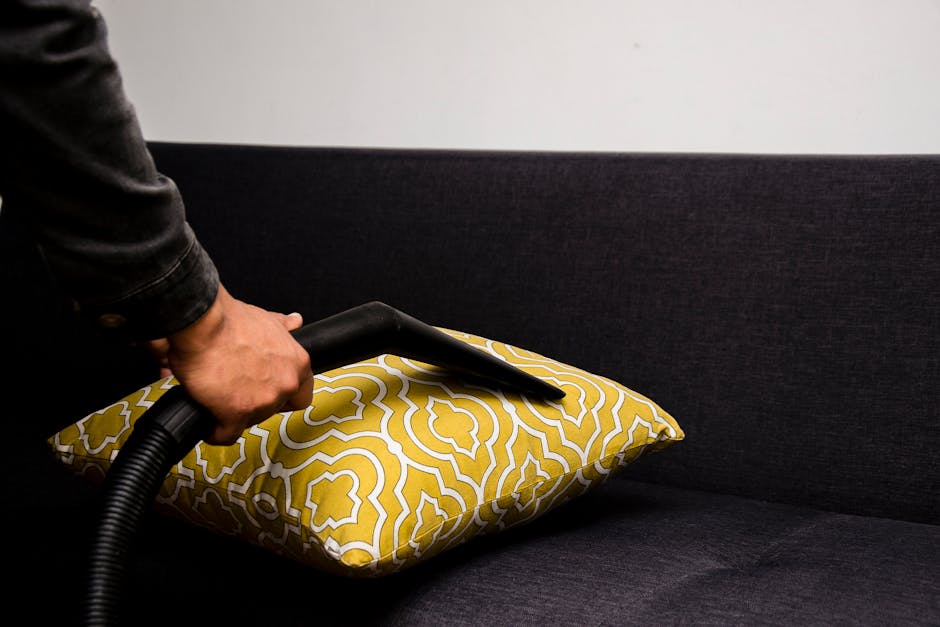
Loose dirt and dust are removed first. This matters because dry grit can turn into muddy residue if you skip straight to wet cleaning. A proper vacuuming stage also helps lift pet hair from seams and cushions.
3. Pre-treatment of stains and traffic areas
High-use zones, armrests, headrests, and visible stains are treated with suitable solutions. A dependable cleaner will test products in a discreet area first where needed. If there is a stubborn mark, it may need several careful passes rather than one aggressive attempt.
4. Deep cleaning method
Depending on the fabric, the technician may use hot water extraction, low-moisture cleaning, controlled steam cleaning, or specialist upholstery methods. For a better understanding of moisture-led approaches, you can also look at steam carpet cleaning, which helps illustrate the difference between general steam-based cleaning and more targeted upholstery work.
5. Controlled drying and finishing
Once the clean is complete, the sofa should dry evenly. Good airflow helps. Some fabrics feel almost dry quickly, while others need longer. The cleaner may groom fibres, reset cushion shape, or give final advice on aftercare. It is a small thing, but it makes a difference.
In plain English: inspect, loosen dirt, treat stains, clean carefully, dry properly. That is the backbone of a decent job.
Key Benefits and Practical Advantages
A professional sofa clean gives you more than a visibly brighter couch. The benefits are practical, and in some homes they are immediate.
- Better appearance: colours look fresher and fabric looks less flat.
- Improved comfort: removing embedded dust and residue makes the sofa feel cleaner to sit on.
- Odour reduction: everyday smells from pets, food, and general use are reduced.
- Longer furniture life: regular cleaning helps limit wear from abrasive dirt particles.
- More hygienic living space: upholstery often holds more debris than people realise.
- Smarter maintenance: getting problems dealt with early is usually easier than waiting until a stain sets in deeply.
There is a nice side effect too: the whole room tends to feel tidier. A clean sofa can change the mood of a living room in a way that cleaning the floor alone sometimes cannot. You notice it when you sit down in the evening and the fabric smells faintly fresh instead of vaguely "lived in".
If your household includes pets or children, the value grows even more. Spills happen. Fur happens. Life happens. And that is precisely why local experts are so useful.
Who This Is For and When It Makes Sense
Not every sofa needs the same level of cleaning, and not every household needs the same schedule. Still, there are plenty of situations where calling Clapham Junction sofa cleaning local experts makes perfect sense.
- Families with children: for spill-prone sofas and busy family rooms.
- Pet owners: especially where fur, odour, or small accidents are part of the picture.
- Renters moving out: to leave the property presentable and avoid avoidable disputes.
- Homeowners refreshing a living space: before guests, events, or simply after a long winter.
- Landlords and letting agents: for between-tenancy presentation.
- Small offices or client-facing spaces: where sofas and reception seating need to look professional.
It also makes sense if you have tried DIY spot cleaning and the stain has either spread, faded oddly, or returned after drying. That last one is a classic. You clean the mark, it disappears, and then next morning it has come back like it paid rent. That often means residue has migrated up from deeper fibres.
When in doubt, a professional assessment is safer than guessing. A simple enquiry can prevent a costly fabric mistake.
Step-by-Step Guidance
If you are booking sofa cleaning for the first time, here is the process in a straightforward, realistic form.
- Check the sofa fabric and condition. Look for care labels, sun fading, tears, loose piping, and any old repairs.
- Identify the main problem. Is it a single stain, general dullness, pet odour, or a full deep clean?
- Choose the right service level. Some sofas need a full clean; others just need targeted stain treatment.
- Remove clutter and fragile items. Clear cushions, throws, toys, books, and anything else that might slow access.
- Share the full story. Tell the cleaner about spill history, DIY products used, or any previous treatment attempts.
- Let the technician inspect before cleaning. They may recommend a patch test or a different method.
- Allow proper drying time. Don't rush the sofa back into heavy use too soon.
- Follow aftercare advice. It may include ventilation, fabric brushing, or temporary avoidance of certain spots.
Small but important detail: if the sofa has removable covers, do not assume they can be washed like a T-shirt. Check first. Fabric blends can be tricky.
Expert Tips for Better Results
After enough cleaning jobs, a few patterns become obvious. These are the things that tend to make a good result better, or save a clean from going sideways.
- Act early on stains. Fresh marks are usually easier to treat than old ones that have dried in place.
- Avoid overwetting. Too much liquid can leave tide marks, long drying times, or even deeper staining.
- Use blotting, not rubbing. Rubbing can distort fibres and spread the mess.
- Test first on delicate fabrics. Especially with velvet, wool, or colour-sensitive upholstery.
- Vacuum regularly between professional cleans. It helps the fabric stay brighter for longer.
- Keep an eye on sun exposure. A sofa placed near a bright window may fade unevenly over time.
A decent cleaner will also know when not to push too hard. That is one of the marks of real experience. Sometimes the wisest move is to clean more gently and protect the fabric rather than chase a dramatic-looking finish that damages the pile. To be fair, a sofa that is still sound is worth more than one that looks perfect for two days and then starts misbehaving.
If you want to compare fabric-specific support across a wider upholstery range, the upholstery cleaning and sofa cleaning pages can help frame the service options.
Common Mistakes to Avoid
Some sofa damage comes from the original stain. Some of it comes from well-meant but clumsy cleaning attempts. Here are the main traps to avoid.
- Using too much household cleaner: more product does not mean better results.
- Scrubbing hard: this often pushes the stain deeper.
- Cleaning only the visible spot: it can leave a pale halo around the area.
- Ignoring the fabric label: not every sofa can tolerate the same treatment.
- Letting spills sit too long: once residue settles, the job becomes harder.
- Booking only on price: the cheapest option is not always the safest for the fabric.
One more thing people miss: odour is not always on the surface. If a sofa smells stale, damp, or pet-related, the issue may be deeper in the cushions or backing. A quick wipe will not solve that. It rarely does.
Tools, Resources and Recommendations
A professional upholstery cleaner will usually bring a set of tools tailored to the job rather than one universal machine. That matters because sofas are more delicate than carpets and need a more measured approach.
Useful equipment and materials often include:
- commercial vacuuming tools for dry soil removal
- fabric-safe pre-sprays and stain treatments
- soft brushes and agitation tools
- extraction or low-moisture cleaning equipment
- microfibre cloths for controlled wiping
- air movers or ventilation support where needed
For customers, the most useful "resources" are actually simple: a clear care label, a few photos of stains before treatment, and honest notes about what happened. If someone dropped red wine on the left cushion and then tried two different spray cleaners on it, say so. It helps avoid surprises.
If the sofa is heavily pet-soiled, it may also be sensible to look at pet stain and odour removal alongside the main clean. Likewise, if your home needs a broader refresh, pairing sofa work with carpet cleaning can make the whole space feel more even.
Law, Compliance, Standards, or Best Practice
For sofa cleaning, the most relevant issue is not a complicated law lecture. It is safe working practice, fabric care, and responsible treatment of chemicals and wastewater. In the UK, reputable cleaners are expected to work carefully, follow manufacturer guidance where available, and handle products in a way that is sensible for homes and businesses.
Best practice usually includes:
- checking fabric suitability before wet cleaning
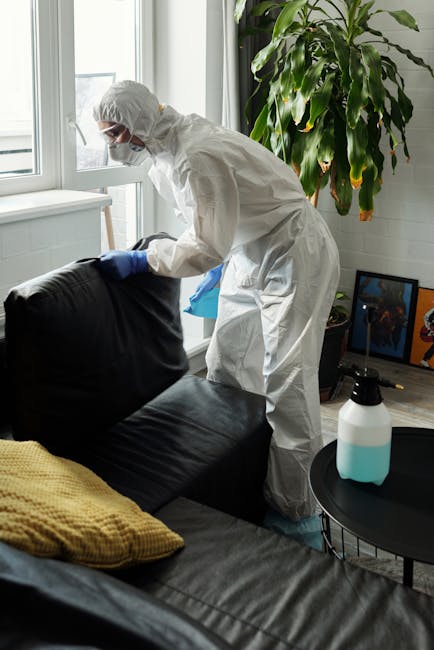
- using appropriate PPE where needed
- keeping products stored and handled safely
- avoiding excess moisture near electrical fittings or sensitive materials
- being transparent about limitations, risks, and likely drying times
For customers, it is sensible to ask whether the company has clear safety information and insurance arrangements. That does not mean every job is risky. It means you are dealing with people who take the work seriously. You can review policy-level information such as health and safety guidance, insurance and safety information, and terms and conditions if you want to understand how the service is run.
There is also a practical compliance angle for landlords, landlords-to-be, and businesses: keeping upholstery reasonably clean is part of maintaining a presentable, usable space. Not glamorous, but true.
Options, Methods, or Comparison Table
Not every sofa needs the same cleaning method. The best choice depends on the fabric, the stain, and how much moisture the material can safely handle. Here is a simple comparison.
| Method | Best for | Advantages | Watch-outs |
|---|---|---|---|
| Hot water extraction | Durable fabrics, deep soil, general refresh | Strong cleaning power, good for embedded dirt | May require longer drying time |
| Low-moisture upholstery cleaning | Sensitive fabrics, quicker turnaround | Less drying time, often gentler | May not suit very heavy staining |
| Targeted stain treatment | Specific spots or marks | Focused, efficient, less invasive | Not always enough for overall dullness |
| Pet odour-focused cleaning | Homes with animals | Helps tackle smell at source | Needs honest assessment of severity |
If you are unsure, a short assessment is usually the best first move. A good cleaner will tell you when a full deep clean is necessary and when a lighter method will do the job just fine.
Case Study or Real-World Example
Here is a very typical kind of situation. A couple in a Clapham Junction flat had a light-coloured sofa that looked alright from a distance but had turned patchy on the arms and seat cushions. One cushion held the ghost of a coffee spill. Another had a soft but obvious pet smell that seemed worse in the evening. They had already tried a supermarket spray, which made the stain look smaller for a day and then, inconveniently, more obvious after drying.
The cleaner first identified the fabric, checked the affected areas, and treated the coffee mark separately from the general soiling. The pet odour needed more attention in the cushion core than on the surface, so the job was approached more carefully there. After the clean, the sofa looked more even in colour, smelled fresher, and the room itself felt less heavy. Nothing magical. Just competent work done properly.
That is often what people are really paying for: not a miracle, just the right judgement, the right method, and a steady hand.
Practical Checklist
Use this before booking or preparing for a sofa clean.
- Check the care label, if present.
- Take photos of stains before treatment.
- Make a note of any spills, pet accidents, or previous DIY products used.
- Clear cushions, throws, and clutter from the sofa area.
- Ask how long drying is likely to take.
- Confirm whether a patch test is needed for delicate fabric.
- Ask about odour treatment if pets or smoke are involved.
- Review service information and policies if you want extra reassurance.
- Plan for some ventilation after cleaning.
- Keep pets and heavy use off the sofa until fully dry.
Expert summary: the best sofa cleaning jobs are usually the ones that feel calm and methodical. No drama, no guesswork, just the right clean for the right fabric.
If you are comparing providers, it can also help to understand the broader business approach. Pages like about us, pricing and quotes, and recycling and sustainability can tell you a lot about how a company thinks and works, without you having to chase answers.
Get a free quote today and see how much you can save.
Conclusion
Choosing Clapham Junction sofa cleaning local experts is really about peace of mind. You want someone who understands fabrics, respects your home, and knows how to deal with the everyday realities of family life, pets, spills, and urban dust. A good cleaner should leave the sofa looking fresher, drying sensibly, and feeling like part of a cared-for home again.
If you remember only one thing, make it this: the right method matters more than a fast promise. A thoughtful clean protects the furniture you already own and helps your room feel welcoming again. And honestly, that matters more than people sometimes admit.
Frequently Asked Questions
How often should I book sofa cleaning in Clapham Junction?
It depends on use. Busy households, pet owners, and families with children often need cleaning more regularly than a spare-room sofa. If the fabric looks dull, smells stale, or feels grimy, it is probably time.
Can professional sofa cleaning remove old stains?
Sometimes, yes, but not always completely. Older stains have often set into the fibres or been altered by previous DIY products. A professional may reduce them significantly, even if a tiny shadow remains.
Is steam cleaning safe for all sofas?
No. Steam-based methods suit some fabrics and not others. Delicate materials, certain blends, and older upholstery may need a lower-moisture or more specialised approach.
How long does a sofa take to dry after cleaning?
Drying time varies by fabric, method, room temperature, and airflow. Some sofas dry fairly quickly, while others need longer. A cleaner should give you a realistic estimate before starting.
Will sofa cleaning get rid of pet odours?
It can help a great deal, especially when the odour is in the fabric or cushions rather than deeper structural damage. More stubborn smells may need targeted pet stain and odour treatment.
Do I need to move my sofa before the appointment?
Usually no, unless access is tight or the cleaner asks for it. What helps most is clearing the surrounding area so the technician can work safely and neatly.
What should I tell the cleaner before they arrive?
Tell them about care labels, previous stains, pet accidents, DIY products, delicate trims, and any water sensitivity you already know about. The more honest the brief, the better the result.
Is local sofa cleaning better than a big national chain?
Not always automatically, but local experts often offer more direct communication, quicker response times, and a more personal approach. That can be especially useful when access or timing is awkward.
Can I clean a sofa myself instead?
For light dust or a tiny fresh mark, maybe. For deeper stains, odours, or delicate fabrics, DIY methods can make things worse. If you are unsure, professional help is usually the safer route.
Why does the stain come back after I clean it?
That usually happens when residue from the original spill migrates back to the surface as the fabric dries. It is common with over-wet cleaning or products that were not fully removed.
Are sofa cleaning products safe around children and pets?
They should be used carefully and according to best practice. A good cleaner will explain drying times, access restrictions, and any precautions needed before the sofa is used again.
What is the best next step if I am comparing sofa cleaning services?
Look at the service details, safety information, and pricing guidance, then ask specific questions about your fabric and stain type. That is the quickest way to separate a careful provider from a rushed one.