Stain Removal in Everyday Life: Practical Methods, Smart Prevention, and Long-Lasting Fabric Care
Stain removal is one of those everyday topics that matters more than most people realize. Whether it is a coffee spill on a shirt, grease on upholstery, wine on a tablecloth, or muddy marks on children’s clothing, effective stain removal helps preserve the look, value, and lifespan of fabrics, carpets, and household surfaces. The right approach can save time, money, and frustration while preventing permanent damage.
Many people assume stain removal is all about scrubbing harder or using the strongest cleaner available, but that is often the fastest way to make a stain worse. Successful stain removal depends on understanding the stain type, the surface involved, and the timing of treatment. Acting quickly is important, but using the correct method is just as essential. In this article, we will explore proven stain removal techniques, common mistakes to avoid, and practical strategies for keeping your home and clothing looking their best.
From delicate fabrics to tough carpet fibers, stain removal can be simple when you know what to do. Below, you will find useful steps, cleaning tips, and prevention ideas that help tackle everyday accidents with confidence. If you want cleaner fabrics and fewer permanent marks, the right stain removal habits make all the difference.
Why Stain Removal Matters for Homes and Clothing
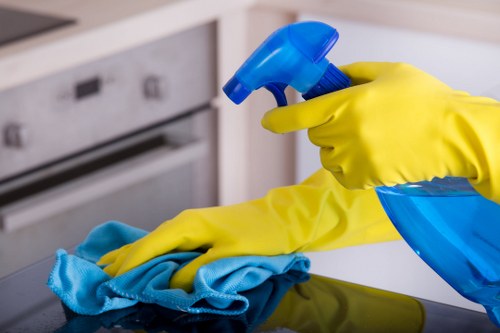
Stains are more than just visual blemishes. They can weaken fabric fibers, leave odors behind, and make surfaces look older than they are. Good stain removal protects upholstery, carpets, bedding, and wardrobes from long-term damage. It also helps reduce waste by extending the useful life of items that might otherwise be replaced too soon.
When a spill is treated promptly, there is a much better chance of complete stain removal. The longer a stain sits, the deeper it can settle into fibers or porous surfaces. That is why cleaning experts often emphasize immediate action. Even simple materials such as water, soap, and a clean cloth can make a dramatic difference when used correctly.
Another reason stain removal matters is appearance. Clean fabrics and spotless surfaces create a more organized, welcoming environment. Whether at home, in a rental property, or in a business setting, consistent stain removal supports hygiene, presentation, and overall comfort.
Understanding Different Types of Stains
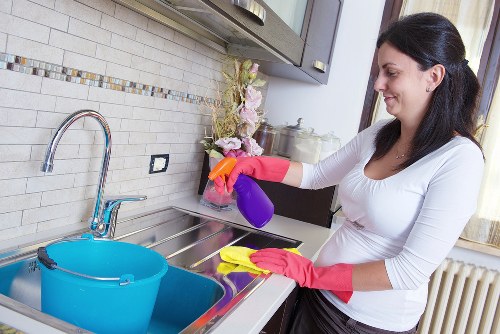
Before starting stain removal, it helps to identify the stain. Different stains respond to different methods, and using the wrong product can make the stain set or spread. Some stains are water-based, while others are oily, protein-based, dye-based, or tannin-based. Knowing the category improves your chances of success.
Common stain categories
- Water-based stains: Juice, soda, coffee, tea, and many sauces
- Oil-based stains: Grease, butter, makeup, salad dressing, and motor oil
- Protein-based stains: Blood, milk, egg, sweat, and food residue
- Dye stains: Ink, marker, colored drinks, and fabric dye transfer
- Organic stains: Grass, mud, wine, and fruit
Each stain type requires a slightly different stain removal method. For example, hot water may help with some food stains, but it can set protein stains like blood or egg. Likewise, oily stains often need a degreasing agent, while dye stains may require alcohol-based treatment or specialized cleaners.
Tip: Always test stain removal products on an inconspicuous area first, especially on delicate materials. This helps prevent fading, discoloration, or texture changes.
Essential Stain Removal Rules to Follow
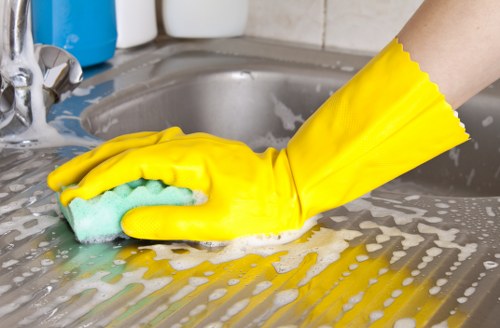
There are a few universal rules that improve almost every stain removal attempt. These principles are simple, but they can make a major difference in results. Start by blotting rather than rubbing, because rubbing pushes the stain deeper into the fibers. A clean white cloth or paper towel works best for absorbing excess liquid.
Second, work from the outside of the stain inward. This helps prevent spreading and keeps the stained area contained. Third, use the mildest effective cleaning solution first. Strong chemicals should be reserved for difficult spots or used only when the care label and surface type allow it.
Finally, patience is part of good stain removal. Some stains require repeated treatment, rinsing, and drying. Rushing the process can lead to ring marks, fiber damage, or incomplete cleaning. Careful treatment is usually more effective than aggressive scrubbing.
Stain Removal on Clothing: Best Practices
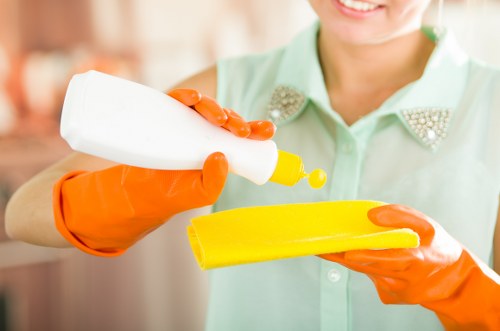
Clothing is one of the most common places where stain removal is needed. Shirts, pants, dresses, uniforms, and sportswear all face daily risks from spills and marks. The first step is always to check the garment care label. Some fabrics can handle water-based treatment, while others need dry-cleaning care or special handling.
Step-by-step clothing stain removal
- Remove excess material with a spoon, dull knife, or cloth.
- Blot the stain gently to absorb liquid.
- Apply the correct stain remover or mild detergent.
- Let it sit for a few minutes, if safe for the fabric.
- Rinse with cold or lukewarm water, depending on the stain.
- Wash as directed, then air dry to confirm the stain is gone.
Air drying is important because heat from a dryer can permanently set a stain before you notice it is still there. If the stain remains after washing, repeat the stain removal process instead of drying it. This simple habit prevents disappointment and protects garments from being locked into a damaged state.
For delicate fabrics such as silk, wool, or linen, use extra caution. Gentle blotting, diluted detergent, and minimal agitation are usually best. For stubborn marks, professional stain removal may be the safest option.
Stain Removal for Carpets and Upholstery
Carpet and upholstery stain removal requires careful technique because too much moisture can damage padding, encourage mold, or create visible rings. Start by lifting any solids and blotting the spill with a dry cloth. Avoid soaking the area. Instead, use a small amount of cleaning solution and work gradually.
Important upholstery and carpet tips
- Use minimal liquid to avoid over-wetting the material
- Blot repeatedly with clean cloths until transfer stops
- Rinse lightly when needed to remove residue
- Use fans or ventilation to speed drying
- Follow manufacturer instructions for specialty fibers
Vacuuming before and after stain removal can also improve results, especially for dry soil, dust, or debris trapped in carpet fibers. For greasy stains, a small amount of dish soap mixed with water can often help break down residue. For dye stains, a targeted cleaning product may be required.
Because upholstery and carpet fibers vary widely, always approach stain removal cautiously. What works on synthetic material may be too harsh for natural fibers such as wool, cotton, or silk blends. When in doubt, spot test first or seek professional cleaning assistance.
Common Household Stains and How to Handle Them
Some stains appear again and again in everyday life. Knowing the best stain removal method for common accidents saves time and improves outcomes. Below are practical approaches for several frequent problems.
Coffee and tea stains
These stains are usually tannin-based and respond well to quick treatment. Blot the spill, rinse with cold water, and apply mild detergent. For older stains, a stain remover designed for beverage marks may help. Effective stain removal is easier when the stain has not dried completely.
Grease and oil stains
Oil-based stains benefit from absorbent powders and degreasing solutions. Sprinkle baking soda or cornstarch on fresh grease to lift excess oil before washing. Then apply a small amount of dish soap or liquid detergent. This type of stain removal works well because the cleaner breaks down the oily residue rather than spreading it.
Wine stains
Red wine is notorious for setting quickly, so prompt stain removal matters. Blot immediately, apply cold water, and use salt or a suitable stain treatment if appropriate for the surface. Avoid heat until the mark is fully gone. White wine can also leave residue, so do not ignore it simply because it appears lighter.
Ink stains
Ink often requires alcohol-based stain removal methods. Place a clean cloth beneath the fabric, dab the stain with rubbing alcohol or a suitable ink remover, and blot carefully. Do not rub too hard, as this can spread the ink. Repeating the process in small stages is usually better than applying too much product at once.
Blood stains
Protein stains like blood should be treated with cold water first. Hot water can cause the stain to bond more strongly to the fabric. Gently flush the area, then apply a mild enzyme detergent if needed. Quick response is one of the best stain removal strategies for blood marks.
Grass and mud stains
Let mud dry before brushing off the excess. For grass stains, a detergent with enzymes can be especially useful. These stains are common in sportswear and children’s clothing, and they often require more than one wash cycle. Careful stain removal keeps fabric from looking permanently worn.
Safe Stain Removal Products to Keep at Home
Having a few reliable cleaning products on hand makes stain removal much easier. You do not need a complicated setup, but a small cleaning kit helps you respond quickly when accidents happen. The right products depend on the surfaces you clean most often.
Useful stain removal supplies
- Mild liquid detergent
- White vinegar
- Baking soda
- Rubbing alcohol
- Enzyme cleaner
- Microfiber cloths
- Soft-bristled brush
- Paper towels or clean absorbent cloths
These products can support many stain removal tasks, from fabric treatment to surface cleaning. However, stronger does not always mean better. Many surfaces are damaged by bleach, ammonia, or abrasive scrubbing pads. Always read labels and use products according to their instructions.
For families, pet owners, and busy households, keeping a dedicated stain removal kit in a laundry room or utility closet can save valuable time. When the right tools are easy to find, it is much easier to address spills before they become permanent.
Natural Stain Removal Methods That Work
Many people prefer natural stain removal options because they are often affordable, easy to find, and gentler than heavy-duty cleaners. While natural methods are not perfect for every stain, they can be highly effective when used appropriately.
White vinegar can help with deodorizing and breaking down some residue. Baking soda is useful for absorbing moisture and odors. Lemon juice has mild bleaching properties, though it should be used cautiously on colored fabrics. Dish soap is excellent for greasy spots, while hydrogen peroxide may work on certain light-colored surfaces.
Natural stain removal methods are especially appealing for everyday maintenance and light cleaning. For example, a paste made from baking soda and water can lift mild marks from fabric or grout, while vinegar and water can help with certain food stains. As always, test first and avoid combining ingredients that may react poorly.
Professional Stain Removal: When to Seek Help
Some stains are too severe, too old, or too risky to treat at home. In those situations, professional stain removal is often the best choice. Experts have access to specialized tools, cleaning agents, and techniques that can restore items more safely than DIY attempts.
Professional help may be worth considering when dealing with antique textiles, expensive upholstery, large carpet stains, or items labeled dry clean only. It is also useful when a stain has already been heated, over-scrubbed, or treated with the wrong product. A skilled cleaner can often improve results and prevent further damage.
Book your service now if a valuable item is at risk or if home treatment has not worked. In some cases, acting sooner rather than later can preserve the item and reduce the cost of repair or replacement.
Stain Prevention: The Best Form of Stain Removal
The easiest stain removal is the stain you never get. Prevention may not eliminate accidents entirely, but it can reduce how often they happen and how severe they become. Small habits create big results over time.
Simple prevention habits
- Use placemats, coasters, and table covers during meals
- Treat fabric protectors on furniture and rugs
- Keep napkins or cloths nearby for quick spills
- Teach children how to report accidents immediately
- Wash workwear and sportswear promptly
- Store stain removal supplies within easy reach
Preventive care also includes regular maintenance. Vacuuming carpets, laundering clothing properly, and cleaning upholstery periodically all help reduce buildup and make future stain removal easier. Fresh surfaces are less likely to hold onto dirt and liquids.
For households with pets or active children, planning ahead is especially valuable. Waterproof mattress covers, washable slipcovers, and stain-resistant fabrics can all reduce stress. Prevention is not only practical; it is also cost-effective.
Stain Removal Mistakes to Avoid
Even with the best intentions, certain mistakes can make stain removal harder. One common error is using too much cleaner. Excess product can leave residue that attracts more dirt or discolor fabric. Another mistake is rubbing aggressively, which often pushes the stain deeper.
Using hot water too soon is another frequent problem, especially with protein stains. Ignoring care labels can also lead to shrinking, fading, or texture damage. And perhaps the most important mistake of all is drying a stained item before the mark is fully removed. Once heat sets the stain, removal becomes much harder.
Smart stain removal means being patient, informed, and careful. If you are unsure about a method, start small and mild. The goal is not just to make the stain disappear temporarily, but to protect the item for the long term.
How Stain Removal Supports a Cleaner, Healthier Home
Beyond appearance, stain removal contributes to a healthier home environment. Spills left untreated can create odors, encourage bacteria growth, or attract pests. Moisture trapped in carpets or fabrics can also create conditions that feel unpleasant and unhealthy.
Regular stain removal promotes cleanliness in high-use areas such as kitchens, dining rooms, bedrooms, and living spaces. It also supports better organization because cared-for surfaces tend to look tidier and last longer. When cleaning becomes a routine instead of an emergency, household maintenance feels more manageable.
For businesses, rental properties, and hospitality settings, consistent stain removal helps maintain professional standards. Clean surfaces communicate care and reliability. In that sense, stain removal is not just a chore; it is part of overall property care.
Final Thoughts on Effective Stain Removal
Stain removal does not need to be overwhelming. With the right knowledge, a few basic supplies, and a calm approach, most everyday stains can be managed successfully. The key is to act quickly, identify the stain type, and choose a method that matches the surface you are cleaning. Whether you are handling a minor spill or a stubborn mark, good stain removal habits protect your belongings and save money over time.
From clothing to carpets, the same principles apply: blot, test, treat gently, and avoid heat until the stain is completely gone. These simple steps make stain removal far more effective and less stressful. If a stain is too difficult, do not hesitate to seek expert help. Professional cleaning can preserve valuable items and deliver better results.
If you are ready to improve your cleaning routine, start building a smarter approach to stain removal today. Keep the right products available, respond quickly to spills, and treat every stain with care. Contact us today to learn more about professional cleaning solutions, or book your service now if you need help restoring your fabrics and surfaces.